 Image 1 of 1
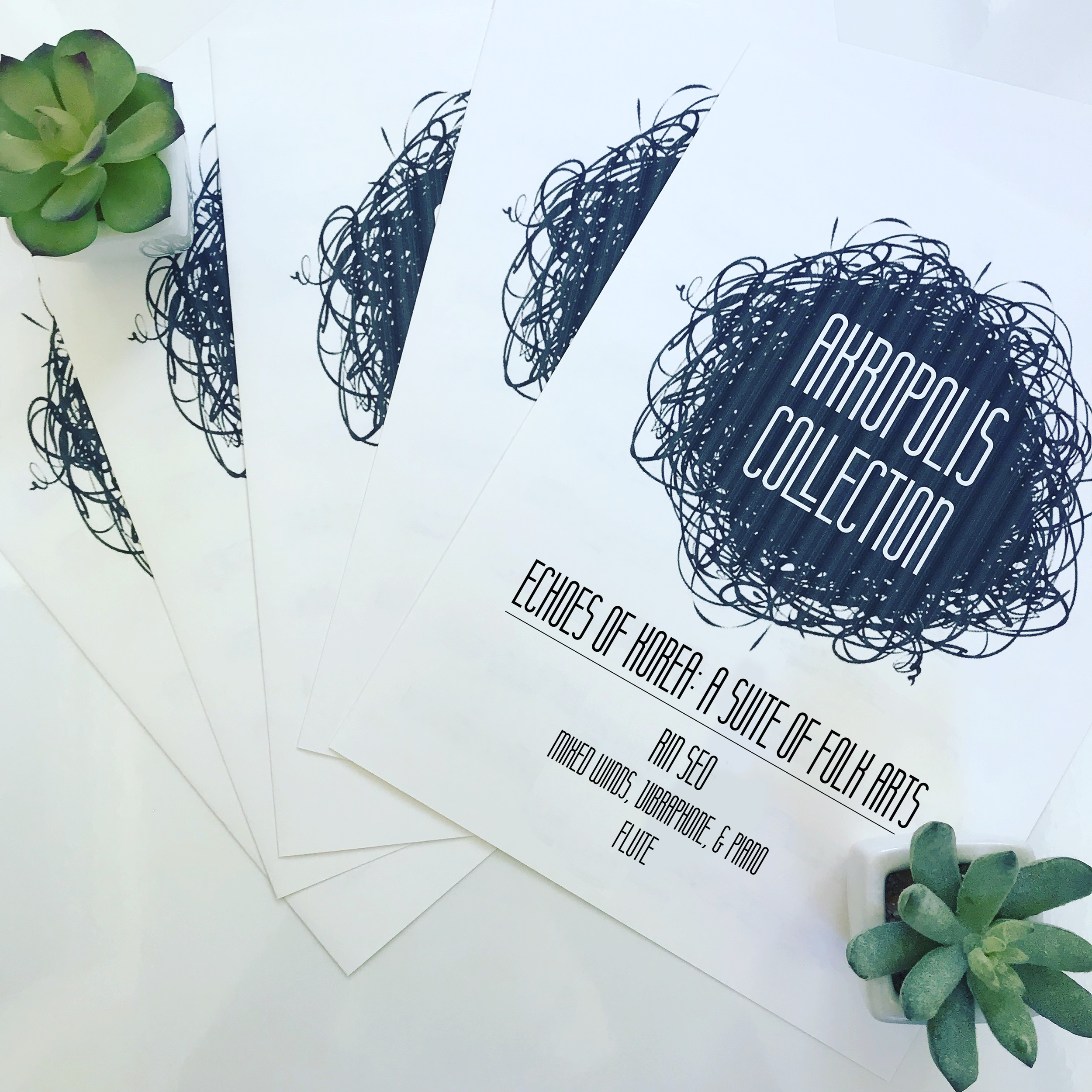
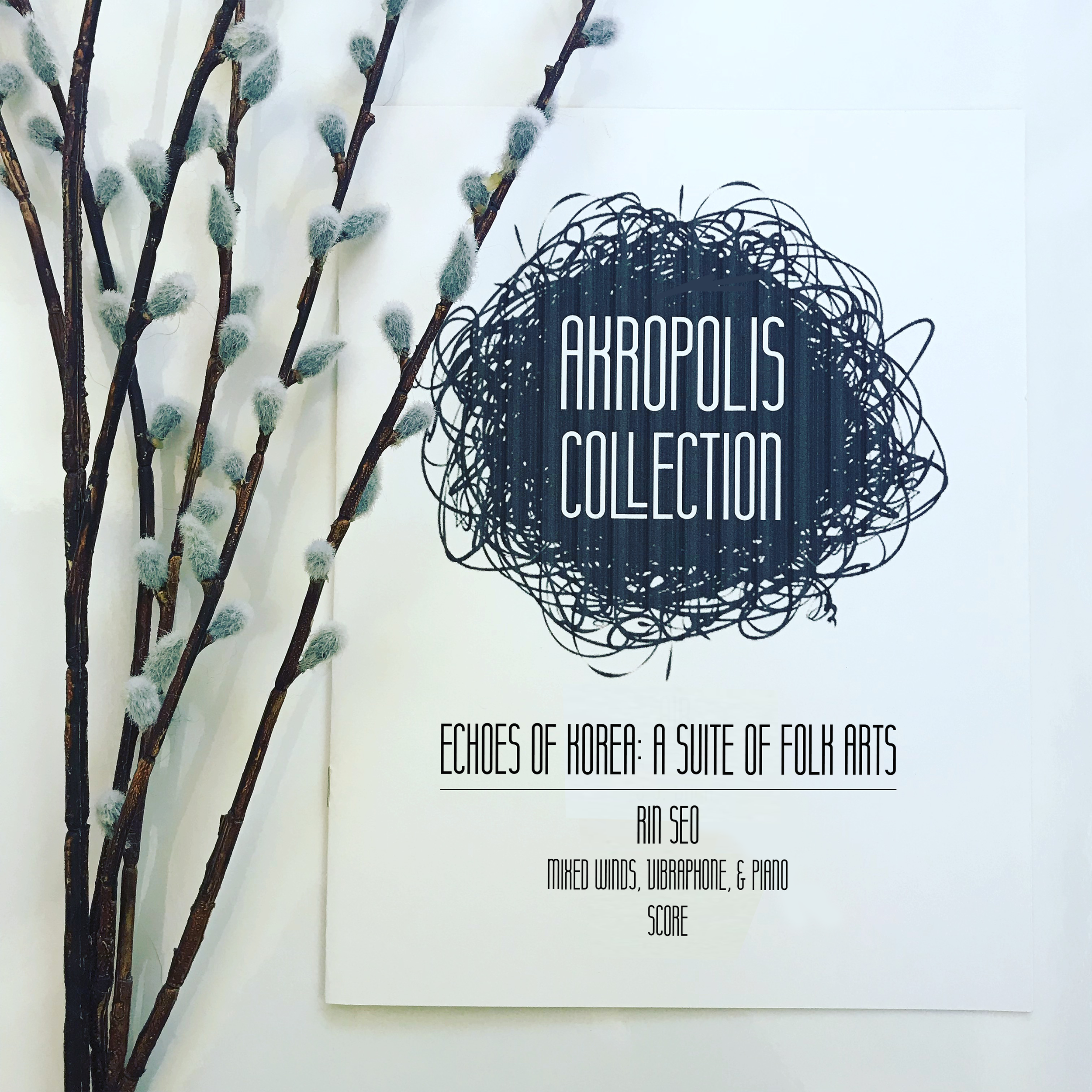
Echoes of Korea: A Suite of Folk Arts (2025) by Rin Seo (b. 1990)
This piece was commissioned by the Akropolis Reed Quintet for the 2025 Akropolis Chamber Music Institute
Flute, Saxophone (Alto/Soprano), Horn, Bass Clarinet, Bassoon, Vibraphone, Piano
12'
I. 문자도: Letter Painting
II. 작호도: Magpie and Tiger
III. 책가도: Scholar’s Accoutrements
IV. 도깨비: Korean Goblin
“This suite draws inspiration from Korean folk arts of the Joseon Dynasty (1392-1910) and Korean shaman music. The first three movements are based on Minhwa, a form of folk painting created by everyday people without formal artistic training. These works often conveyed hope, humor, and satire, reflecting the values and daily lives of the working class. The fourth movement explores the character of the Korean goblin, combining visual and musical elements rooted in Korean mythology and shamanistic tradition.
The first movement is inspired by Letter Painting, a type of Minhwa where Chinese characters representing virtues such as filial piety, loyalty, and righteousness were artistically rendered. These paintings were often displayed in homes to instill moral values and bring good fortune.
The second movement, Magpie and Tiger, is based on a popular folk tale and painting motif. This movement explores the humorous and symbolic dynamic between the tiger and the magpie. In the artwork, the intimidating tiger is mocked by the clever magpie perched above in a pine tree. This image served as a subtle satire of the rigid social hierarchy of the Joseon Dynasty. The music mirrors this contrast through playful, mocking themes alongside more aggressive and lumbering motifs.
The third movement is inspired by Chaekgado, paintings of bookshelves and scholarly items that symbolized a deep respect for learning during the Joseon period—often called Korea’s Renaissance due to its flourishing of arts, science, and literature. The musical language of this movement borrows stylistic elements from European Renaissance music, echoing the contemplative and intellectual atmosphere these paintings evoke.
Although often depicted with frightening features, Dokkaebi (Korean goblins) were considered supernatural protectors who drove away evil and misfortune. This last movement uses the distinctive rhythm of Deureonggaengi from Korean shamanistic music to express the mysterious and powerful energy of the goblin.” ~ Composer Rin Seo
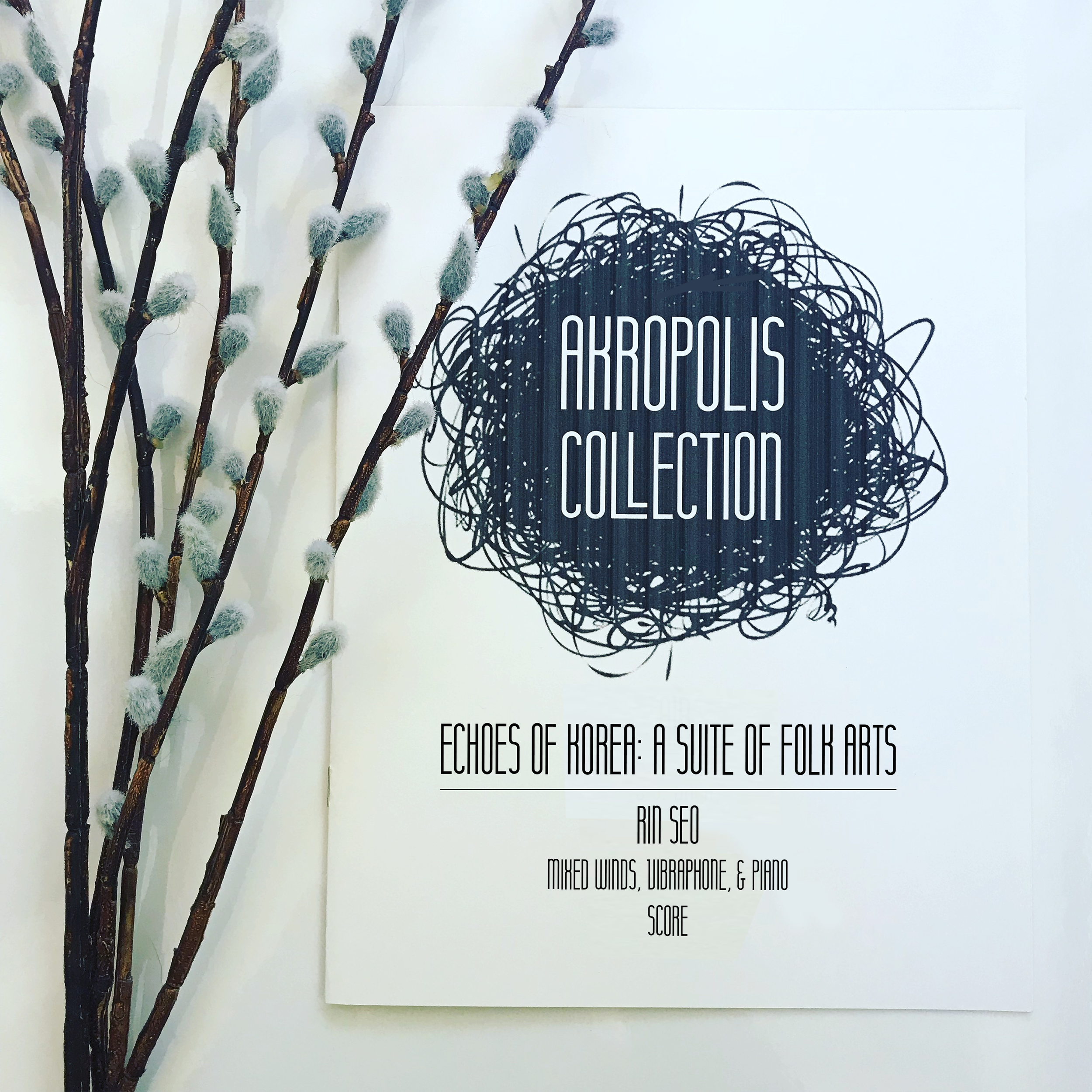
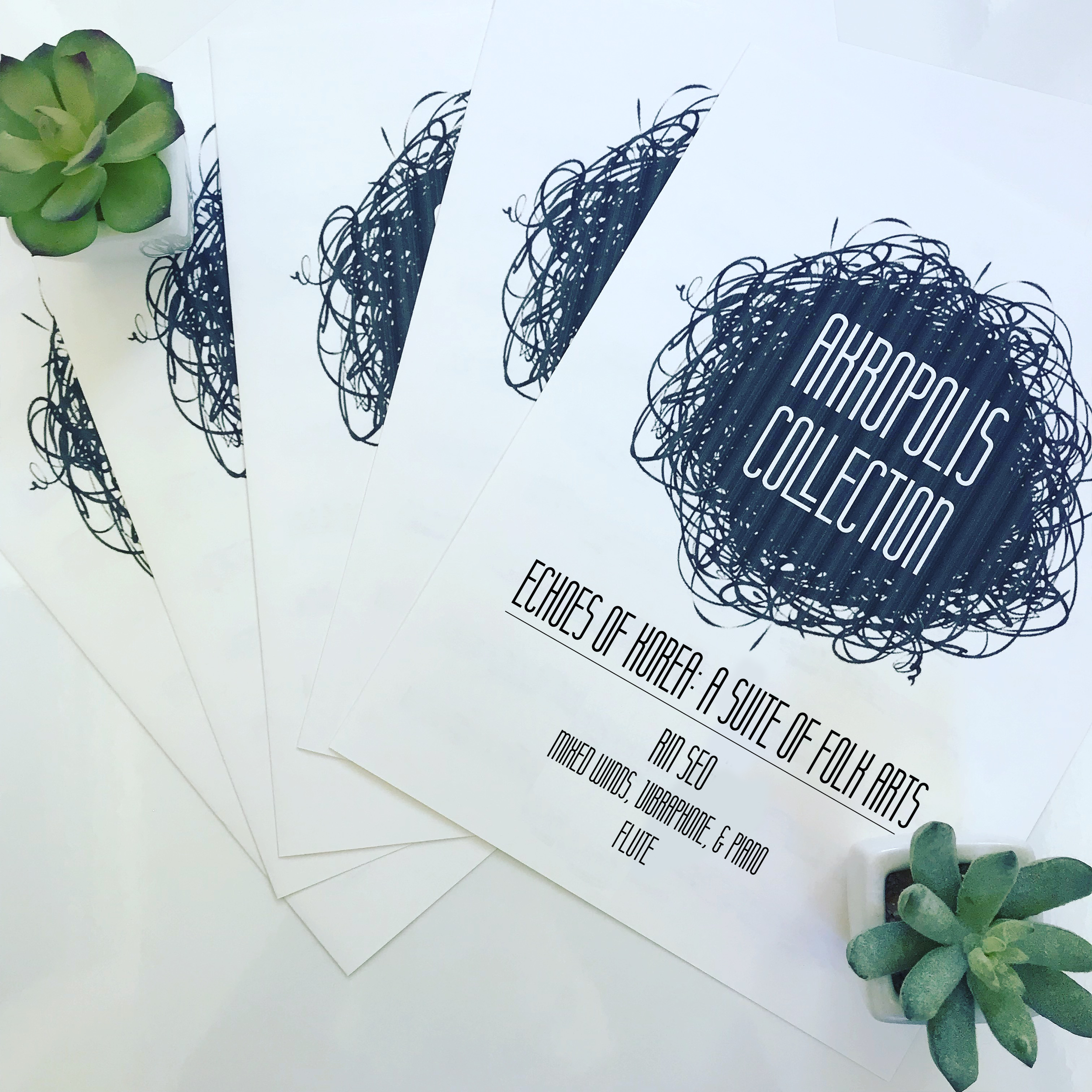
Echoes of Korea: A Suite of Folk Arts (2025) by Rin Seo (b. 1990)
This piece was commissioned by the Akropolis Reed Quintet for the 2025 Akropolis Chamber Music Institute
Flute, Saxophone (Alto/Soprano), Horn, Bass Clarinet, Bassoon, Vibraphone, Piano
12'
I. 문자도: Letter Painting
II. 작호도: Magpie and Tiger
III. 책가도: Scholar’s Accoutrements
IV. 도깨비: Korean Goblin
“This suite draws inspiration from Korean folk arts of the Joseon Dynasty (1392-1910) and Korean shaman music. The first three movements are based on Minhwa, a form of folk painting created by everyday people without formal artistic training. These works often conveyed hope, humor, and satire, reflecting the values and daily lives of the working class. The fourth movement explores the character of the Korean goblin, combining visual and musical elements rooted in Korean mythology and shamanistic tradition.
The first movement is inspired by Letter Painting, a type of Minhwa where Chinese characters representing virtues such as filial piety, loyalty, and righteousness were artistically rendered. These paintings were often displayed in homes to instill moral values and bring good fortune.
The second movement, Magpie and Tiger, is based on a popular folk tale and painting motif. This movement explores the humorous and symbolic dynamic between the tiger and the magpie. In the artwork, the intimidating tiger is mocked by the clever magpie perched above in a pine tree. This image served as a subtle satire of the rigid social hierarchy of the Joseon Dynasty. The music mirrors this contrast through playful, mocking themes alongside more aggressive and lumbering motifs.
The third movement is inspired by Chaekgado, paintings of bookshelves and scholarly items that symbolized a deep respect for learning during the Joseon period—often called Korea’s Renaissance due to its flourishing of arts, science, and literature. The musical language of this movement borrows stylistic elements from European Renaissance music, echoing the contemplative and intellectual atmosphere these paintings evoke.
Although often depicted with frightening features, Dokkaebi (Korean goblins) were considered supernatural protectors who drove away evil and misfortune. This last movement uses the distinctive rhythm of Deureonggaengi from Korean shamanistic music to express the mysterious and powerful energy of the goblin.” ~ Composer Rin Seo